
Bus Advertising vs Hoardings in 2026: What Actually Drives Better ROI?
27 April 2026 · Gopika K
Compare bus advertising vs hoardings in India for 2026. Discover which OOH format delivers better ROI, visibility, and engagement for brands.
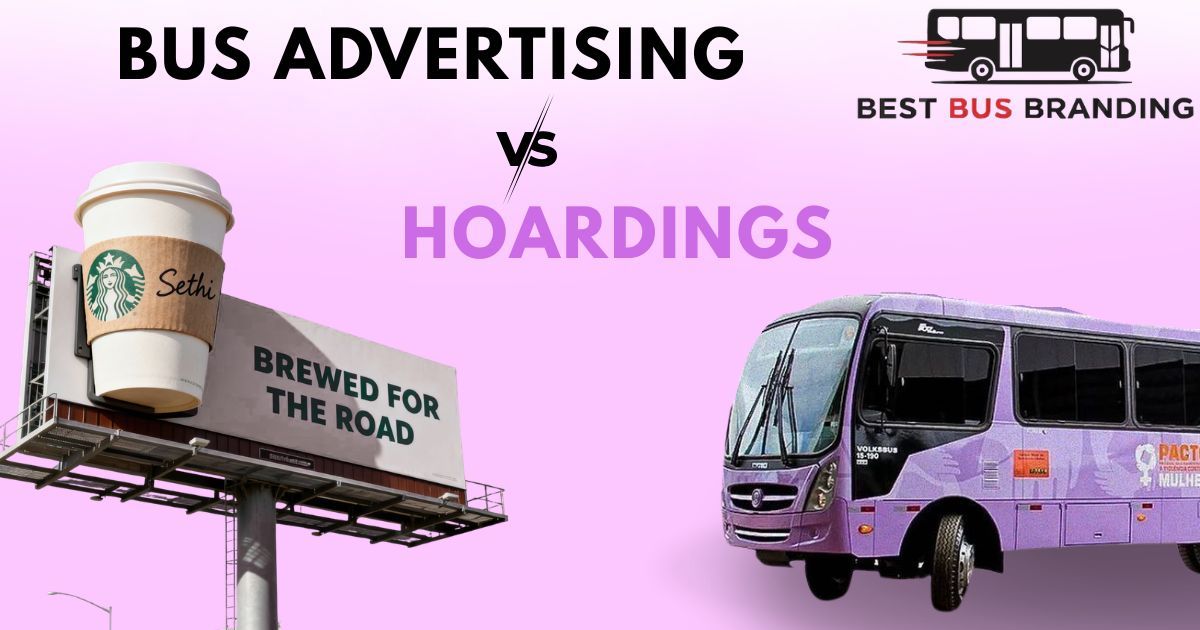
Bus advertising vs hoardings is a common debate in OOH advertising in India, for brands focused on ROI driven offline marketing. Both offer strong visibility, and their effectiveness depends on execution, reach and measurability.
Bus advertising provides mobile visibility, covering multiple routes and high density areas. It’s ideal for mass reach and frequency, making it effective for brand recall in urban markets.
On the other hand, hoardings (billboards) offer fixed, high impact placements in premium locations, ensuring consistent exposure and stronger brand positioning.
In 2026, ROI is about visibility, trackability and execution. Without real time campaign tracking and verification, both formats suffer from missed placements, inconsistent visibility and reporting gaps.
Understanding the Landscape of Bus Advertising
Bus advertising has emerged as a powerful tool in urban marketing, when considering Bus Advertising ROI 2026. In Mumbai's bustling streets, this dynamic medium capitalizes on mobility and visibility, enabling brands to engage with millions daily.
Unlike static hoardings, bus advertisements move through high traffic areas, reaching diverse demographics. This mobility means that every bus is seen by drivers, pedestrians, and commuters alike. For instance, Mumbai reports over 7 million daily bus passengers. This staggering number highlights the potential reach for brands aiming to target urban consumers effectively.
- The average commute time in Mumbai is around 60 minutes, providing ample opportunity for exposure to advertising.
- Buses travel on key commuter routes such as CST Churchgate and Bandra Andheri, ensuring high visibility.
- Strategically placed ads reach a variety of audiences from office workers to students.
This unique positioning makes bus advertising visible and impactful. The potential for significant returns makes it a smart choice compared to traditional hoardings.
Examining Traditional Hoardings: Their Role in Urban Advertising
Hoardings have been a staple in urban advertising for decades, providing brands with a static platform to reach consumers. We analyze the Bus Advertising ROI 2026, and it’s vital to understand how traditional hoardings fit into the broader conversation of bus advertising.
Static advertisements hold a certain familiarity. They offer strong visibility, while moving platforms add dynamic engagement to the overall campaign experience. Research indicates that dynamic ads increase audience recall by up to 70%, while static ads often struggle with engagement. This difference is crucial when considering how each format performs in high traffic areas across Mumbai.
- Hoardings are often placed near busy intersections and shopping districts.
- The current trend shows an increase in digital billboards, which rotate messages.
- Neighborhoods like Bandra and Andheri are hotspots for these placements.
- Many brands find that hoardings lack the frequency of impressions achievable by bus advertising.
This highlights a significant challenge for marketers: choosing between traditional methods and innovative solutions like bus advertising. By understanding these differences, brands make educated decisions about their advertising strategies moving forward.
Feature Comparison: Bus Advertising vs Hoardings
When considering the Bus Advertising ROI 2026, it’s essential to compare key features like visibility, engagement, and cost efficiency of bus advertising and traditional hoardings.
- Visibility: Buses operate in high-traffic areas during peak hours, reaching thousands of commuters, while static hoardings provide consistent visibility at fixed locations.
- Engagement: The mobility of buses captures attention effectively. A moving advertisement engages drivers and pedestrians alike, while hoardings mainly rely on passersby who might not have time to absorb the message.
- Cost Efficiency: On average, bus advertising campaigns provide up to 6x ROI, significantly outperforming static billboard placements, which often incur higher costs for lower engagement rates.
This comparative analysis shows that bus advertising enhances visibility and fosters greater interaction with audiences. For brands looking to maximize their marketing impact in urban settings like Mumbai, understanding these differences is crucial for strategic decisions.
Where Bus Advertising Excels
When considering the question of Bus Advertising ROI 2026, it’s essential to recognize where bus advertising truly shines compared to traditional hoardings. The unique mobility of buses allows brands to reach audiences in high traffic areas consistently, enhancing the frequency of impressions significantly.
This method offers unparalleled targeting capabilities. By optimizing routes based on commuter demographics, brands connect with specific audiences effectively. For instance, a recent campaign featuring Mumbai's BEST buses demonstrated how strategic placement led to a remarkable 30% increase in brand recall with commuters. This kind of targeted approach is vital for brands aiming to maximize their return on investment.
- Enhanced visibility by movement in busy districts.
- Direct access to diverse commuter segments daily.
- Increased frequency of impressions compared to static ads.
The ability to engage with consumers in real time as they travel creates a dynamic and interactive advertising platform.
Advantages of Hoardings in Certain Contexts
Hoardings offer unique advantages that enhance a brand's visibility and recognition, particularly in specific localities. In the ongoing discussion about Bus Advertising ROI 2026, understanding these strengths is essential for marketers.
One significant benefit of hoardings is their consistency in messaging. Unlike bus advertising, where routes change frequently, hoardings maintain a constant presence. This reliability allows brands to convey messages without the variability that moving advertisements face.
- Higher visibility: Brands seeking to establish a permanent presence find hoardings effective in high traffic areas.
- Iconic locations: Examples like the renowned hoardings in Bandra have become landmarks, contributing to brand recognition and recall.
- Permanence: Unlike buses that travel various routes, hoardings target specific locales consistently.
This permanence enables brands to build familiarity with their audience over time. As you weigh options between bus advertising and traditional hoardings, consider how each medium aligns with your marketing goals.
Target Audience Insights: Who Benefits Most?
Understanding the target audience is critical in evaluating Bus Advertising ROI 2026. Different sectors significantly benefit from this dynamic advertising method, particularly when comparing Bus Advertising vs Hoardings in 2026: What Actually Drives Better ROI?
- Marketing Managers: They seek high frequency exposure to mass commuters. With BEST buses traversing busy routes, brands get repeated visibility with thousands daily.
- FMCG Brands: They often require a swift city wide presence. Bus advertising allows them to reach diverse demographics across various neighborhoods without the limitations of static placements.
- Retail Chains: Targeting specific demographics during peak hours is vital for retail success. Buses are strategically routed through areas with high shopping activity, maximizing foot traffic to stores.
This blend of targeted visibility and frequency makes bus advertising a compelling choice for various market segments. By leveraging the mobility of buses, brands can achieve measurable results through wider and more consistent audience reach.
Addressing Common Queries About Bus Advertising ROI
Understanding how to measure bus advertising ROI in 2026 is essential for developing effective and data driven marketing strategies. Marketers increasingly seek clarity on which metrics accurately reflect the performance of bus advertising in comparison to traditional hoardings.
What key metrics should be considered?
Impressions
Impressions indicate the number of individuals exposed to advertisements across high traffic routes. This metric provides a foundational understanding of campaign reach.
Engagement Metrics
Monitoring indicators such as website traffic, QR codes, and social media interactions helps assess audience response and campaign effectiveness.
Brand Recall Surveys
Post campaign surveys enable organizations to evaluate how well audiences remember the brand after exposure to bus advertising.
Do seasonal variations influence Bus Advertising ROI?
Yes, seasonal factors play a significant role. During peak periods such as festive seasons (e.g., Diwali), increased mobility and footfall enhance visibility and engagement. Campaigns aligned with such periods often yield improved outcomes.
You also need to be aware of compliance considerations when launching bus advertising campaigns in Mumbai. Adhere strictly to local regulations regarding size, placement, and content. This ensures legal compliance and enhances the credibility of your brand with urban commuters.
As we look ahead to 2026, understanding the Bus Advertising ROI 2026 is crucial for brands deciding between bus advertising and traditional hoardings. Both formats offer unique advantages, and their effectiveness largely depends on campaign goals.
The comparison shows that bus advertising provides dynamic visibility in high traffic areas, offering a consistent presence to target audiences throughout their daily commutes. In contrast, static hoardings lack this mobility, making them less effective in reaching commuters who are always on the move.
- Brands aiming for frequent engagement should consider bus advertising due to its ability to reach diverse demographics across strategic routes.
- For campaigns focused on specific locations or events, hoardings may still hold value.
- Future trends indicate a shift towards more integrated urban advertising solutions that leverage technology and data analytics.
Choosing the right format should align with your audience's movement patterns and your campaign objectives. Embrace innovative strategies and adapt to changing consumer behaviors for maximum impact.